

By Sasha Ramirez-Hughes, Communications Manager, OECD Directorate for Education and Skills
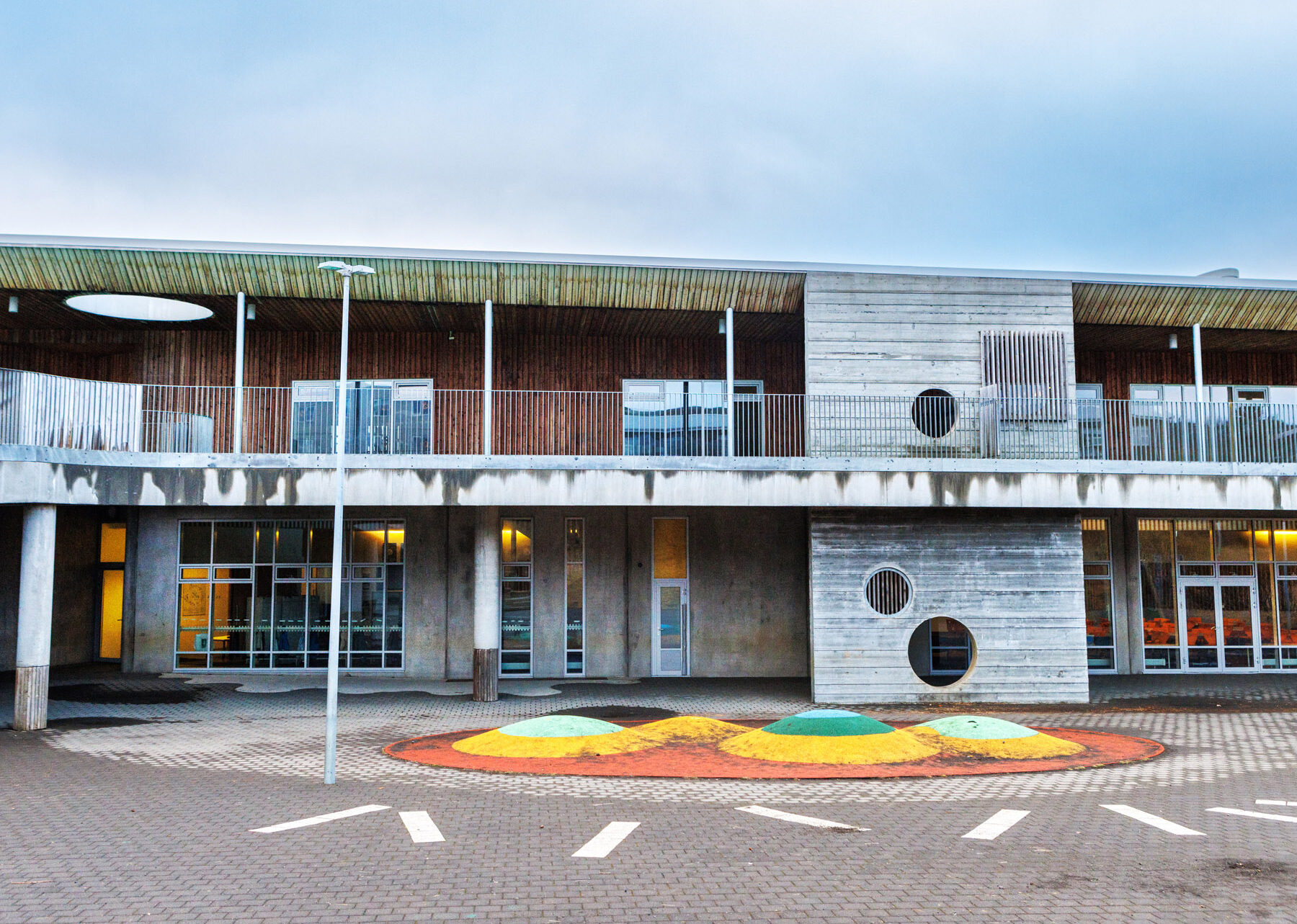
It might have been the biting cold and heavy cloud of an early spring snowstorm, but when our bus pulled up to Krikaskóli on the outskirts of Iceland’s capital, Reykjavík, my first thought was: Can this really be a school? From the outside, its imposing gray concrete walls looked more like a parking garage than a place of learning. But step inside, and you find yourself in a completely different world with bright warm lights, colourful walls and happy children.
The school has garnered attention for its distinctive approach to learning, where the curriculum is designed to nurture creativity, critical thinking and emotional intelligence. Students are encouraged to explore their interests and passions, fostering a love for learning that extends beyond the classroom.
For example, the school integrates eco-friendly practices into its daily operations and curriculum. Students participate in projects that promote environmental awareness and sustainability, such as gardening, recycling and energy conservation. This hands-on approach not only educates students about the importance of protecting the environment but also instils a sense of responsibility and stewardship.
Krikaskóli also places a strong emphasis on personalised learning, by tailoring its teaching methods to meet individual needs and learning styles. Class sizes are varied, but the school aims to maintain a healthy student-to-teacher ratio by using a combination of both teachers and teaching assistants, ensuring that each child receives the support and attention they need. It was interesting to see that a significant number of the teachers were men. Male teachers play an important role –especially for young men, who often benefit from seeing men represented in educational leadership.
These aspects reflect the social constructivist model that the school is built upon – a philosophy also apparent in the building’s design. Beyond the austere exterior, the interior is almost entirely open, with cozy nooks, rounded corners, and textured surfaces in place of closed hallways and boxy classrooms. Natural wood features and earth tones mimic the outdoors, lending a warm, inviting atmosphere.
A few things really stood out for me during my visit:
- Play as a cornerstone of learning infuses much of student life. In math lessons, for example, students can work out problems on paper, in erasable ink on windows or on a smart screen. Children are encouraged to play outdoors no matter the weather (and, in fact, it was students who voted to have a single, longer, recess period rather than two shorter ones) and have ample access to outdoor play areas, a large forested terrain to play in, and hills to slide down.
- Students are empowered as active agents of their own education. Regular meetings give them a say in key decisions—such as recess length and certain curriculum choices. They can also choose to form groups, work independently or remain in a traditional classroom setting.
- Teachers and teaching assistants are abundant, often acting more as mentors or coaches than strict rule enforcers. The atmosphere feels open and calm; and every student who needs extra support seemed to have a professional nearby, ready to help.
Whether Krikaskóli’s approach will spread across Iceland remains to be seen. Iceland’s educational system is highly decentralised, with decisions often made at the municipal or school level. Some may not have the resources or appetite for similar reforms. Still, the innovative practices at Krikaskóli offer valuable insights for the future of education in Iceland. As the country continues to evolve, there may be opportunities to integrate elements of Krikaskóli’s approach into more schools, fostering a more engaging and equitable educational experience for all students.
I visited the school as part of the International Summit on the Teaching Profession (ISTP), which took place a few weeks ago in Reykjavík. The summit brought together education ministers, teacher union leaders, and international experts to explore big issues facing education systems. Our visit to Krikaskóli was a good example of the many inspiring, real-world insights shared at the event to inform and shape the future of teaching and learning.
