

By Andreas Schleicher, OECD Director for Education and Skills
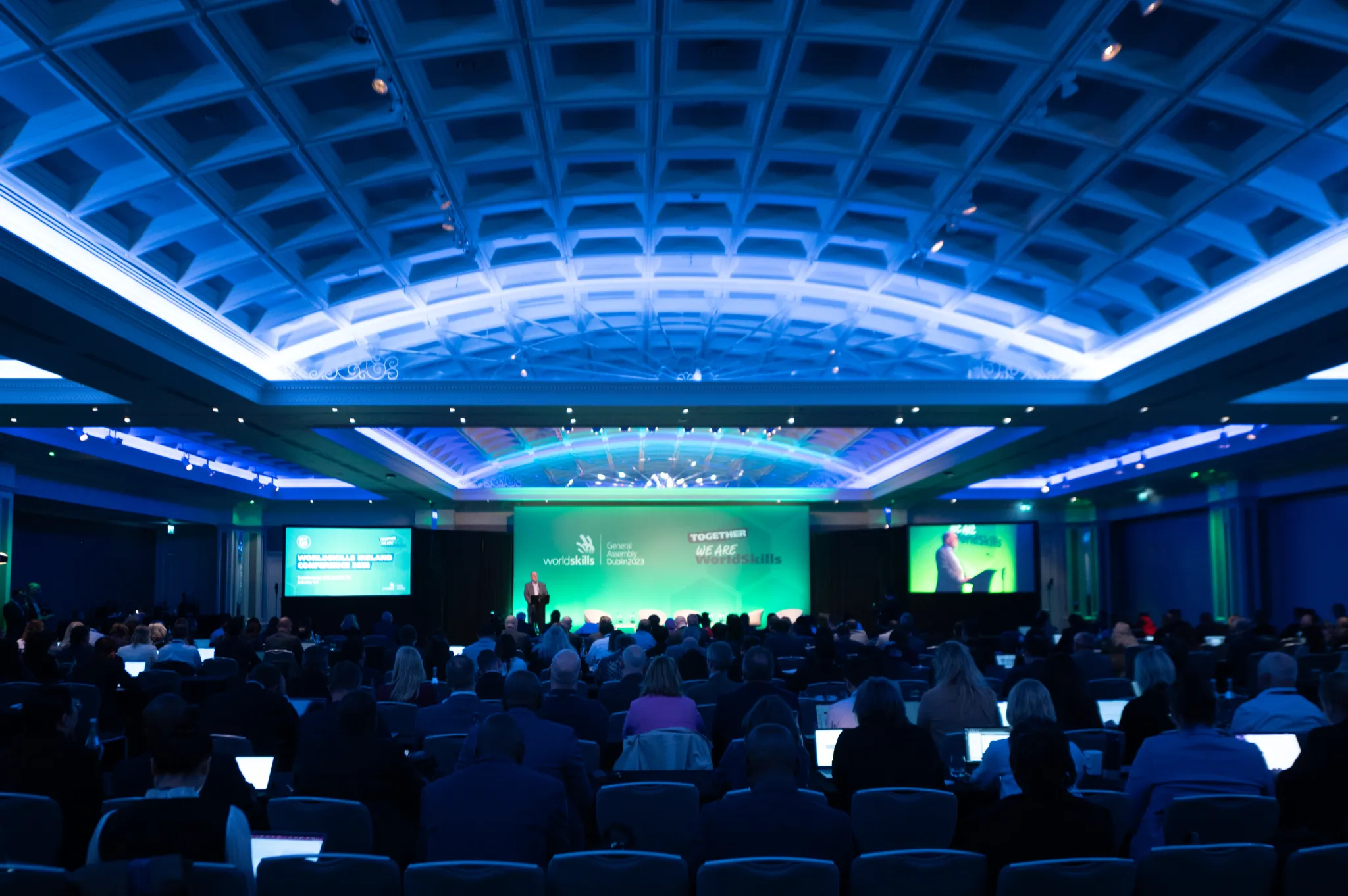
This week the World Skills 2025 Conference took place in Dubrovnik. This conference is always a defining event for the global skills agenda, because it brings together the people who don’t just talk about skills, but who are building tomorrow’s skills – leaders in business, industry, government and education, and not least the amazing champions from the World Skills competition.
Nobody knows whether technology will create more jobs than it destroys, or destroy more jobs than it creates. But we do know this: the twin engines of the digital and green transformations are rewriting the rules of work.
The new jobs emerging are not just replacements; they’re re-inventions. And what that means is that upskilling and reskilling is the new labor market currency. We used to learn to do our work, now learning is the work. So every great workplace must double as a learning hub, and every great school must learn to anticipate tomorrow’s labour demand – not yesterday’s.
All of that is shifting the balance in favor of vocational education; the winners will be those who invest in applied skills and agile learning systems. Vocational education provides the strategic bridge between education and the economy, it sits right at the crossroads where the future of work is built. It equips young people with job-ready and transferable skills. It helps adults pivot when industries change. It turns skill gaps into growth opportunities.
Artificial intelligence can already out-essay some college graduates, but it can’t maintain a power plant, repair a jet-engine or cut your hair. OECD’s AI capability indicators show that the future of work is deeply human – grounded in human consciousness and our capacity to navigate complex relationships, to exercise ethical judgment in uncertainty, to create something genuinely new.
Forget the idea of “green skills” versus “brown skills.” There are no green engineers or brown engineers – there are only engineers who can apply their expertise across rapidly evolving contexts. And as economies green, jobs that advance sustainability are attracting talent who want to align their work with their values.
What matters is not the color of the job, but the flexibility of the worker. During the pandemic, the world learned this lesson the hard way: a surplus of skills in hospitality couldn’t fill the deficit of exactly the same skills in healthcare. We will only get there if our qualification systems become radically more dynamic, so that more people can pivot fast from one sector to another.
But all of this is easier said than done. Vocational education only works when employers are in the driver’s seat. It works best when classrooms meet shop floors – when learning isn’t just taught, but lived. Across Austria, Germany, Switzerland, the Netherlands, Denmark, Hungary, and Ireland, young people don’t just study theory; they apply it in real workplaces. That’s what makes their systems so effective. Countries like Greece or Italy, where the bridge between school and work still has many missing planks, are now working to fill that gap.
If we try to keep teachers in schools up to date with industry expertise, we’ll always be chasing the future – and we will always be late. The smarter move? Bring the industry into the classroom. Equip people in companies with the skills to teach, mentor, and share what they know. After all, your best electricians want to wire the world, not sit behind a desk. As a result, we need flexible models: part-time teaching, joint contracts, shared roles that keep practitioners close to both the circuit and the classroom.
And we also need to enhance a second layer of collaboration; working with employers on designing standards, curricula, and certifications, which is where trust and relevance are built. When employers have no seat at that table, vocational education loses its pulse and its prestige, it becomes a last resort, not a first choice for young people. Employers need to be co-designers, not just customers. They need to have a decisive voice in what’s taught, how it’s taught, and how success is measured. They need to open their doors to real, high-quality work-based learning. Skills forged in the real world are the ones that stick. We need systems that make collaboration the norm, not the exception.
The message from World Skills 2025 for policymakers is clear: don’t just protect yesterday’s jobs, also prepare people for the roles of tomorrow. Don’t just connect schools and workplaces – weave them together. Don’t just listen to employers – build with them. And don’t just digitise systems – humanise them through better metrics and smarter collaboration.
