

By OECD Director for Education and Skills Andreas Schleicher
In many countries, rising rates of student absenteeism from school have become a cause for concern, particularly after the pandemic. Often, absenteeism is associated with physical and mental problems of students, antisocial or risky behaviour, problems at or with school or family problems. In other words, fingers are pointed at the student, the family, or things that schools and education systems have no immediate control over.
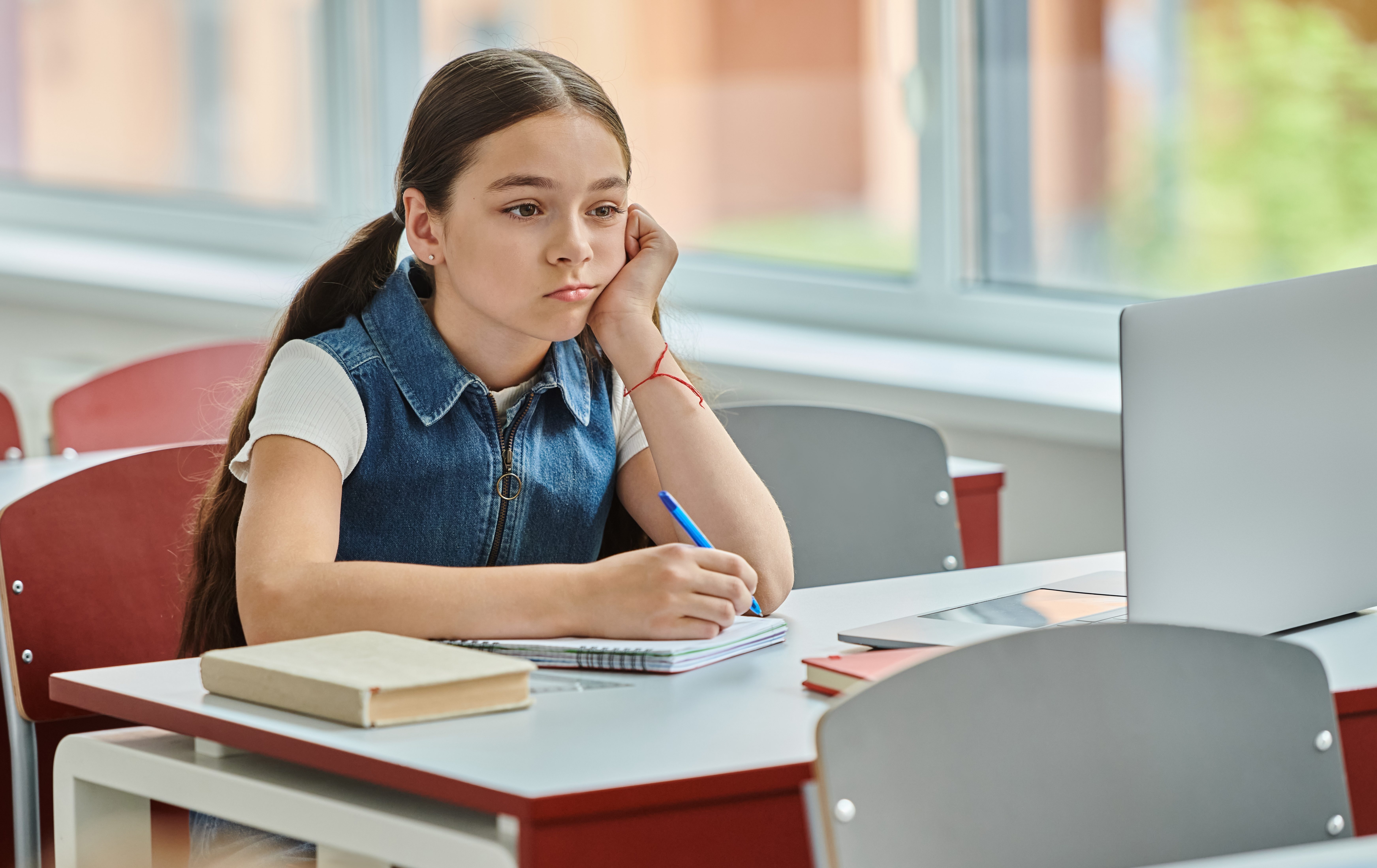
But we may be overlooking the elephant in the room, which squarely relates to school: boredom. When the most recent global PISA assessment explored the reasons for student absenteeism, being bored was cited as the second most frequent reason, tying with students not feeling safe at school. Only sickness was a more common reason: On average across OECD countries, 19% of the 15-year-old students who had missed school for more than three consecutive months said they had felt bored, and in 21 of the 70 education systems with comparable data it was between 30% and 55%. The share of students who had been absent for more than three consecutive months varies widely across countries, from 2% in Korea to 30% in the Philippines.

There will always be good reasons why countries seek to address student absenteeism and dropout with student mental health and well-being initiatives, or with increased social and family support. But the results from PISA suggest that school systems also need to do more to make learning more relevant, more engaging and more interesting for young people. The biggest challenge to schooling may not just be its inefficiency, about which much has been written, but that learning environments in school are becoming obsolete, at least in the eyes of learners. If a supermarket saw 19 out of every 100 customers walk out without buying anything, the manager would change their inventory and sales proposition. But we seem to have a hard time with this in schooling, where we tend to educate young people for our past, rather than their future.
“The Disengaged Teen: Helping Kids Learn Better, Feel Better, and Live Better,” recently published by Jenny Anderson and Rebecca Winthrop, delves into the issue of student disengagement in schooling. The authors identify four learning modes that students navigate: There are the students in passenger mode, who just do the bare minimum, often perceiving classes as irrelevant. These students require assistance in connecting their education to personal interests or learning needs. There are the resisters, students who exhibit behaviors such as ignoring assignments, feigning illness, skipping classes or acting out. These actions often mask deep feelings of inadequacy or invisibility. There are the achievers who consistently attain high grades, but whose self-worth becomes intertwined with performance. This hidden disengagement can lead to a fear of failure and potential mental health challenges. And then there is the explorer, students driven by intrinsic curiosity, who actively engage with subjects that interest them, and who demonstrate resilience and persistence in achieving their goals. Successful policies will do more to guide young people toward this explorer mode.
PISA provides some useful pointers to this extent. The PISA Happy Life Dashboard – still in development – extends the picture from students’ academic achievement to aspects such as their psychological well-being and the extent to which students feel their life has meaning and purpose; their engagement with school, i.e. the extent to which students assign value to their time at school, put effort in their studies in order to achieve good results, and help their teachers create a productive learning environment; their agency, i.e. their ability and willingness to positively influence their own lives and the world around them, by setting goals, reflecting on their roles and responsibilities and bring about positive change; their resilience, i.e. belief in their ability to withstand stressful and difficult situations, their confidence in themselves and their autonomy as learners; and the quality of their social relationships, i.e. the extent to which students feel accepted and appreciated by their peers, and whether they perceive support and care from their parents and their teachers.
Many of these aspects relate to students’ feeling of boredom: For example, education systems in which many students believed that success in education was about the intelligence they were born with, rather than the effort they put into their studies, had more students who citied boredom as the reason for long-term absenteeism.
An equally important predictor for boredom was the quality of student-teacher relationships. For example, education systems where students were more likely to feel that their teachers were friendly to them had a smaller proportion of students citing boredom as a reason for long-term absenteeism. Finally, PISA shows that the quality of family support and engagement plays a role.
In sum, by investing in engaging learning content and learning environments, as well as into effective strategies for teachers and parents to connect with students, adults can better support students in developing meaningful connections to learning. By tailoring communication to individual needs, igniting curiosity, and fostering self-awareness and emotional regulation, policymakers can also tackle one of the principal barriers to student learning: boredom. Where educators struggle with how to do this, asking students themselves can be a good start.
