

By Andreas Schleicher, OECD Director for Education and Skills
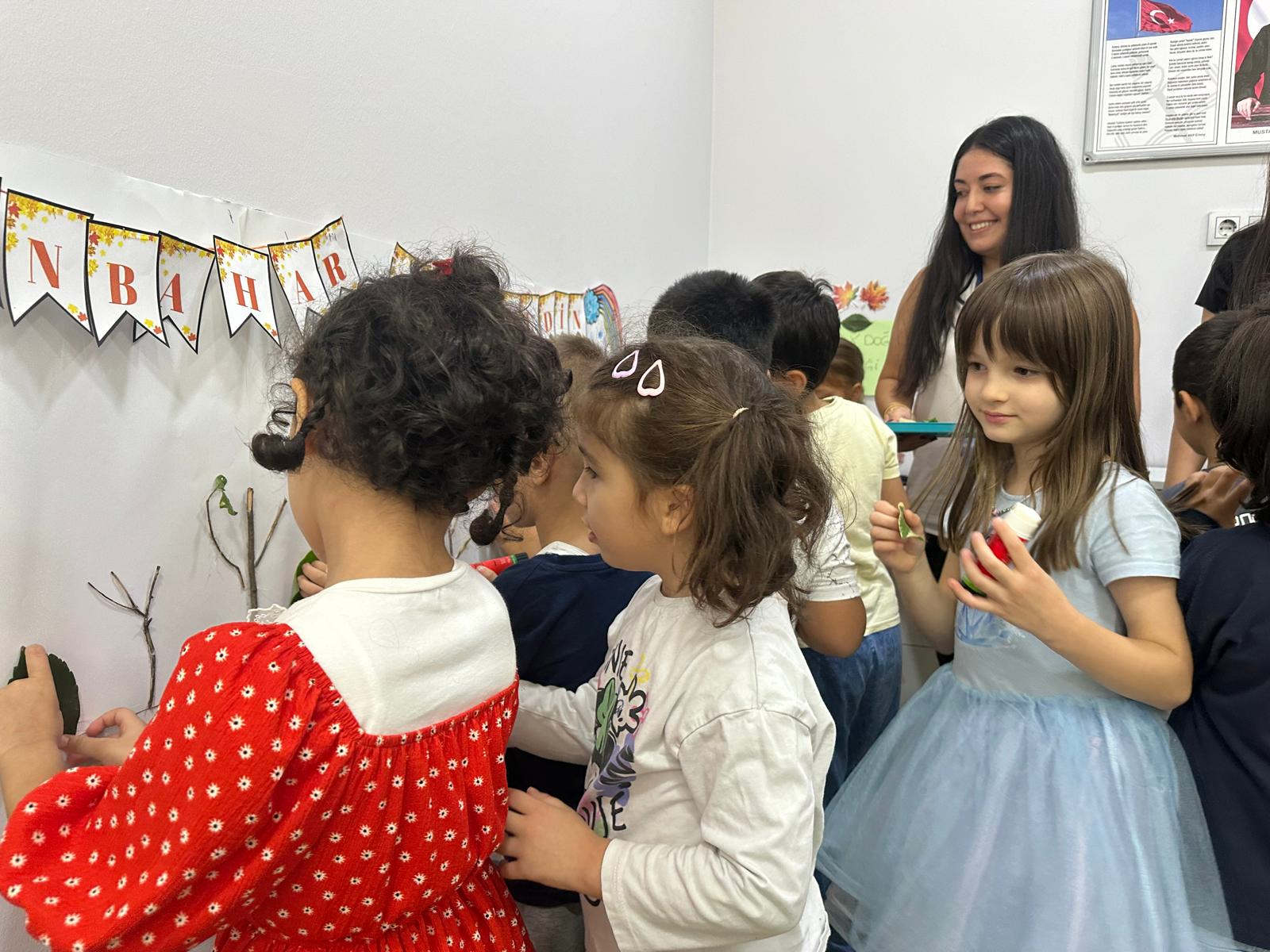
Türkiye is still last among OECD countries when it comes to spending per child on pre-primary education. But things are changing. I visited a kindergarten in Şişli, a district of Türkiye’s megacity Istanbul, that brings together some of the city’s wealthiest and poorest families. Children from all backgrounds end up at the doorsteps of Sultan Arikkan, the Master’s-level educated head of 19 Mayıs Mehmet Emin Sungur kindergarten. The facilities and materials of this kindergarten are not luxurious, but they are fit for purpose, healthy, and well adapted to the child-centred pedagogies that I can see in every classroom. What I experienced inside this school aligns well with what we can expect from high quality early childhood education and care in the 21st century.
Türkiye’s PISA scores have improved at a much faster rate than the average across Europe over the last decades. However, PISA results also show that students are still much better at reproducing subject-matter content than at applying what they know creatively in novel settings. This serves as a reminder that project-based, experiential and applied learning is still rare in the country’s schools, even though such learning environments have become central to student success. This is especially true in the modern age, characterised by a shift in which the kinds of things that are easy to teach and test have also become easy to digitise and automate.
19 Mayıs Mehmet Emin Sungur kindergarten sets a different tone, with its play-based and experiential approach to learning. Teachers pay close attention to striking the right balance between the cognitive, social and emotional development of their children. And they keep regularly up to date with global trends in early childhood education through integrated professional development activities. The next day, a Saturday, I met them again together with hundreds of their fellow teachers in a conference on 21st century learning.
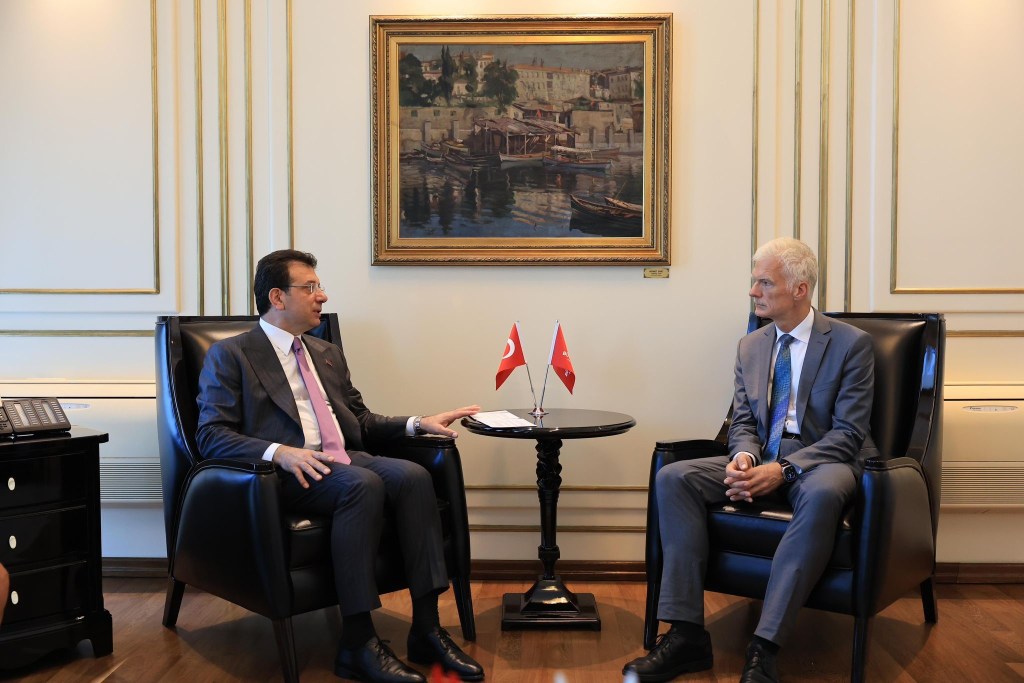
Such kindergartens are not yet the norm in the Istanbul Metropolitan Municipality, but over 100 of them have sprung up across the city in the last few years alone. Mayor Ekrem İmamoğlu explained to me later in the day in passionate terms how he intends to expand early childhood education and care so that every child in the city will obtain a solid foundation for life. Meanwhile, while capacity is still limited, prioritised places for the most marginalised families as well as for working women or women who want to work, seek to ensure that there will be a more level playing field of opportunity for the next generation. Public awareness campaigns and active outreach to the families most in need help to raise demand for high quality early childhood education and care which is still a fairly new phenomenon in this country.
This is not charity. Providing high-quality early childhood education and care is one of the smartest investments that a country can make in its future, particularly for the most disadvantaged children. OECD analysis shows that children from poor families face an eight to 20-month learning gap behind more advantaged children. Most prominent is the learning gap in social-emotional skills, which enable children to get along with other children, regulate emotional responses, sustain attention and adjust to and succeed in a school environment. The learning gaps disadvantaged children face in critical cognitive skills are also significant. Emergent literacy is one of the best predictors of later student achievement. Yet at age five, OECD’s assessment of early learning and child well-being outcomes (IELS) shows a learning gap of 12 months between disadvantaged and advantaged children. This learning gap represents a year of development that disadvantaged children need to close quickly if they are to have a chance of doing as well in school as advantaged children. And that is what this kindergarten in Şişli is all about.
